

Hornets are large, powerful wasps known for their strong stings, complex social behavior, and role as top insect predators. Found across forests, deserts, mountains, and urban areas, different hornet species have adapted to a wide range of environments. While some are relatively calm, others are highly defensive and aggressive hunters. Together, these hornets play an important role in controlling insect populations and maintaining ecosystem balance worldwide.
1. Asian Giant Hornet (Vespa mandarinia)
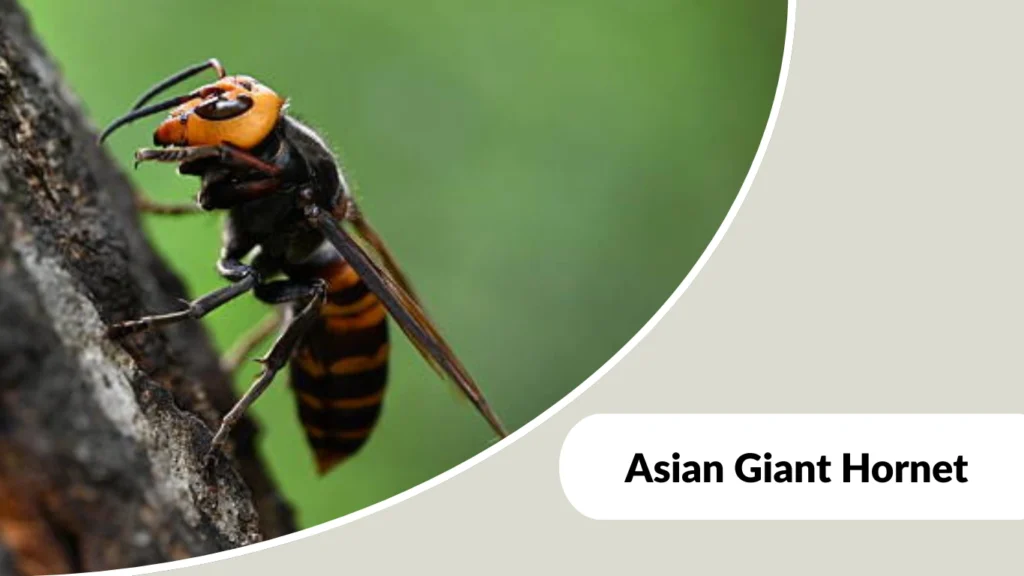
The Asian giant hornet is the largest hornet species in the world and is known for its powerful sting and strong predatory behavior. Native to East and Southeast Asia, it is a top insect predator and poses a serious threat to honeybee colonies.
Identification
- Very large body size, up to 5 cm long
- Orange-yellow head with large compound eyes
- Dark brown to black thorax
- Bold yellow and black striped abdomen
- Large mandibles adapted for hunting
Habitat
Asian giant hornets inhabit forests, mountainous regions, and rural landscapes. They usually nest underground, in abandoned rodent burrows, tree roots, or soil cavities. Nests are often located in quiet, shaded areas away from human disturbance.
Behaviors
This species is highly aggressive when threatened and fiercely defends its nest. It is known for coordinated attacks on honeybee hives, where a small group can destroy an entire colony. Adults are strong flyers and active hunters.
Diet and Lifecycle
Asian giant hornets feed mainly on other insects, especially bees, wasps, and beetles, but adults also consume tree sap and fruit sugars. The lifecycle includes egg, larva, pupa, and adult stages, with queens founding new colonies in spring and workers taking over hunting duties.
2. European Hornet (Vespa crabro)
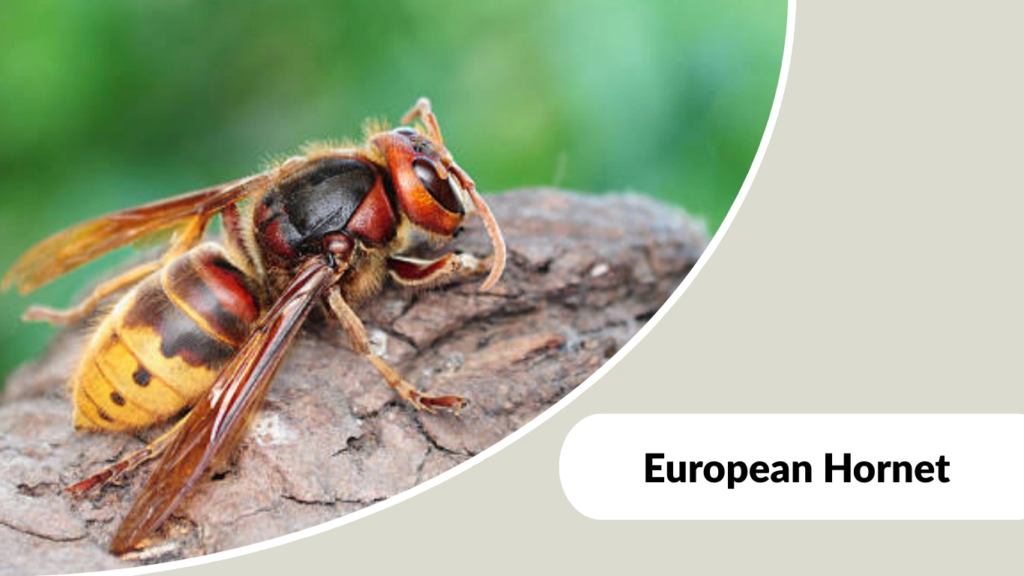
The European hornet is the largest native hornet species in Europe and is generally less aggressive than many other hornets. It plays an important ecological role by controlling populations of other insects.
Identification
- Large body size but smaller than the Asian giant hornet
- Yellow face with reddish-brown markings
- Reddish-brown thorax
- Yellow abdomen with black stripes
- Strong wings with a reddish tint
Habitat
European hornets are commonly found in forests, woodlands, orchards, and rural areas. They prefer nesting in hollow trees, wall cavities, attics, and barns, often close to human settlements but usually avoiding direct contact.
Behaviors
This species is mostly nocturnal and is attracted to lights at night. European hornets are generally non-aggressive unless their nest is disturbed. They are effective predators of flies and other pest insects.
Diet and Lifecycle
European hornets feed on insects such as flies, caterpillars, and wasps, while adults also consume nectar, tree sap, and fruit juices. Their lifecycle follows the typical stages of egg, larva, pupa, and adult, with colonies dying off in late autumn except for new queens.
3. Oriental Hornet (Vespa orientalis)

The Oriental hornet is a distinctive hornet species known for its reddish-brown coloration and ability to thrive in hot, dry climates. It is commonly found in parts of the Middle East, North Africa, and South Asia.
Identification
- Medium to large body size
- Reddish-brown body coloration
- Bright yellow band on the abdomen
- Yellow facial markings
- Strong mandibles and wings
Habitat
Oriental hornets inhabit deserts, semi-arid regions, farmlands, and urban areas. They usually build nests underground, inside wall cavities, or in abandoned structures, preferring warm environments with access to food sources.
Behaviors
This species is active during daylight and shows increased activity in hot weather. Oriental hornets can be defensive near their nests but are generally less aggressive away from them. They are strong fliers and efficient scavengers.
Diet and Lifecycle
Oriental hornets feed on insects, honeybees, carrion, fruit, and sugary substances. They also scavenge human food waste. Their lifecycle includes egg, larva, pupa, and adult stages, with colonies peaking in late summer and declining in colder months.
4. Japanese Hornet (Vespa japonica)
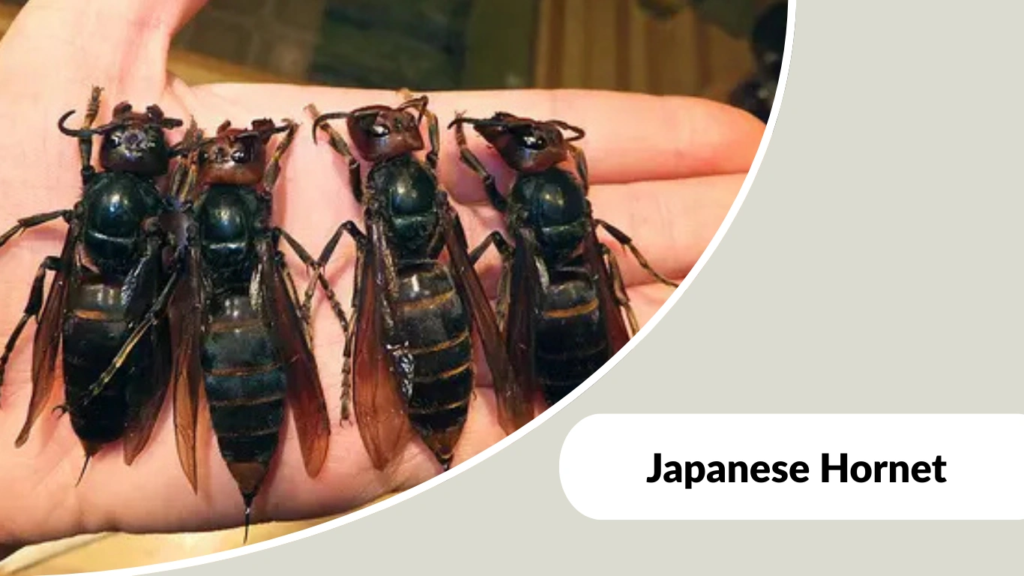
The Japanese hornet is a native hornet species of Japan and nearby regions. It is smaller than the Asian giant hornet but is still a formidable predator, especially of other insects, and plays a role in maintaining ecological balance.
Identification
- Medium to large body size
- Yellow head with dark markings
- Dark brown to black thorax
- Yellow and black banded abdomen
- Strong mandibles adapted for hunting
Habitat
Japanese hornets are commonly found in forests, mountains, and rural areas. They usually nest underground, in soil cavities, tree roots, or occasionally in hollow logs, preferring shaded and undisturbed locations.
Behaviors
This species is alert and defensive near its nest but generally avoids human interaction. It is an active hunter and often preys on honeybees and other insects. Japanese hornets are strong fliers and patrol wide areas while foraging.
Diet and Lifecycle
Japanese hornets feed mainly on insects such as bees, wasps, and caterpillars, while adults also consume nectar, tree sap, and fruit juices. Their lifecycle follows the standard hornet stages of egg, larva, pupa, and adult, with colonies established in spring and declining in autumn.
5. Yellow Hornet (Vespa simillima)
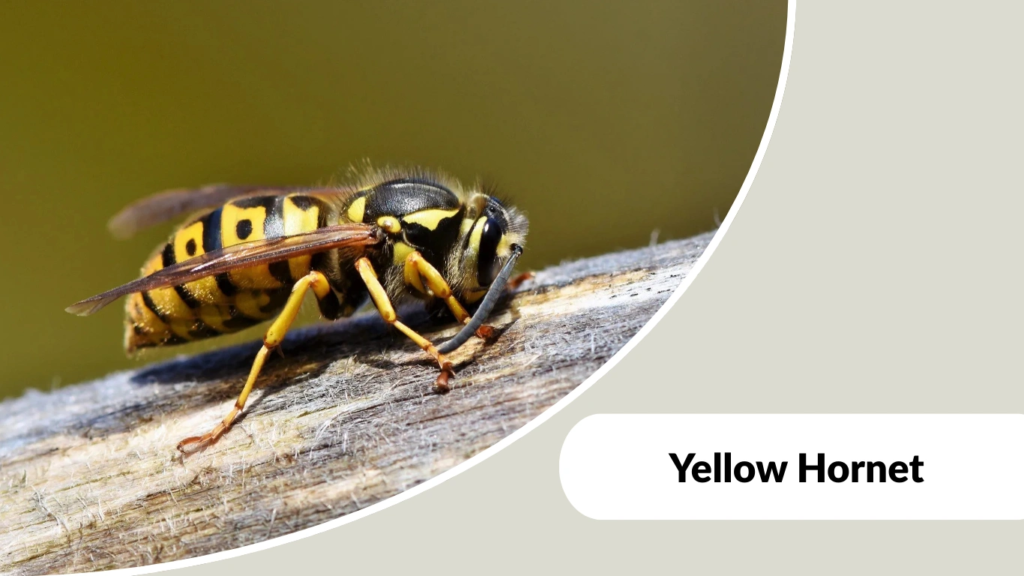
The yellow hornet is a common East Asian hornet species known for its bright coloration and active foraging behavior. It is frequently encountered in both natural and human-modified environments and is an important predator of other insects.
Identification
- Medium to large body size
- Bright yellow head and face
- Yellow abdomen with narrow black bands
- Dark brown to black thorax
- Strong wings and sharp mandibles
Habitat
Yellow hornets inhabit forests, grasslands, agricultural fields, and suburban areas. They usually build nests underground, in tree hollows, or inside wall cavities, often choosing well-sheltered locations with nearby food sources.
Behaviors
This species is active during the daytime and can be defensive when its nest is disturbed. It is an efficient hunter and frequently targets flies, caterpillars, and honeybees. Yellow hornets are strong fliers and can travel long distances while foraging.
Diet and Lifecycle
Yellow hornets feed on a wide range of insects, as well as nectar, tree sap, and fruit juices. The lifecycle includes egg, larva, pupa, and adult stages, with colonies growing through summer and producing new queens toward the end of the season.
6. Black Hornet (Vespa ducalis)
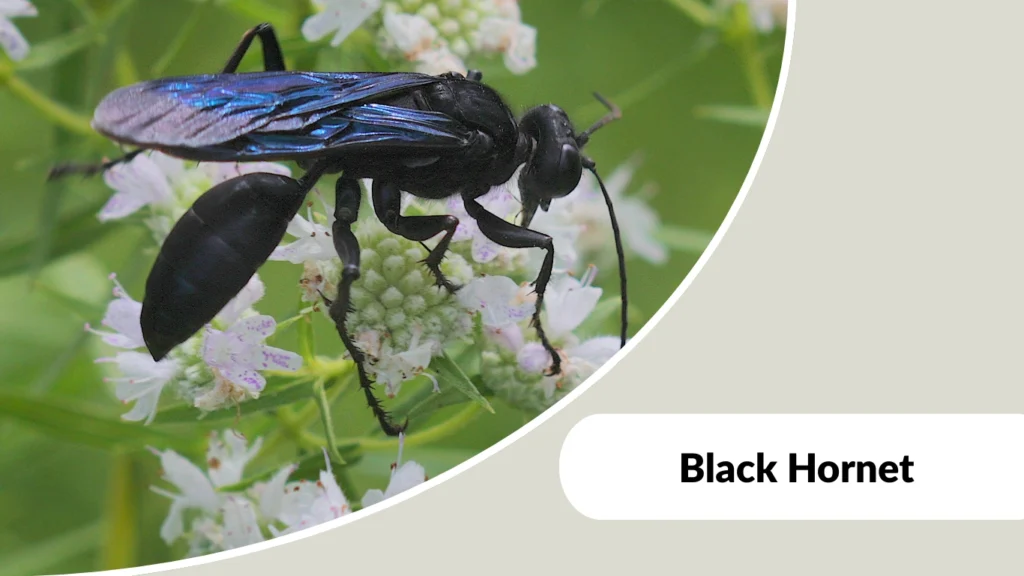
The black hornet is a striking hornet species recognized for its dark body and specialized hunting behavior. It is native to parts of East and Southeast Asia and is notable for preying on other wasps and hornets.
Identification
- Medium to large body size
- Predominantly black or very dark brown body
- Narrow yellow or orange markings on the abdomen
- Dark wings with a smoky appearance
- Strong mandibles adapted for predation
Habitat
Black hornets are commonly found in forests, woodlands, agricultural areas, and rural landscapes. They usually nest underground, in soil cavities, or in abandoned burrows, preferring quiet areas with minimal disturbance.
Behaviors
This species is generally less aggressive toward humans unless its nest is threatened. It is a specialized predator, often targeting paper wasps and other hornet species. Black hornets are solitary hunters and are active during the day.
Diet and Lifecycle
Black hornets primarily feed on other insects, especially wasps, which they hunt to feed their larvae. Adults also consume nectar and tree sap. Their lifecycle follows the typical hornet stages of egg, larva, pupa, and adult, with colonies forming seasonally and dying off in late autumn.
7. Himalayan Hornet (Vespa velutina)

The Himalayan hornet is a large and adaptable hornet species commonly found across mountainous and lowland regions of Asia. It is closely related to the invasive yellow-legged hornet and is known for its strong hunting skills.
Identification
- Medium to large body size
- Dark brown to black thorax
- Yellow-tipped abdomen segments
- Distinct yellow legs
- Broad head with dark facial markings
Habitat
Himalayan hornets inhabit forests, hills, agricultural lands, and urban edges. They build aerial nests in trees, shrubs, and sometimes on buildings, often at moderate heights for protection.
Behaviors
This species is highly active and an aggressive predator of honeybees and other insects. It defends its nest strongly and can attack in groups if threatened. Himalayan hornets are strong fliers and forage over wide areas.
Diet and Lifecycle
They feed mainly on honeybees, flies, caterpillars, and other insects, while adults also consume nectar and fruit sugars. The life cycle includes egg, larva, pupa, and adult stages, with colonies expanding rapidly in warm seasons and producing new queens in autumn.
8. Greater Banded Hornet (Vespa tropica)
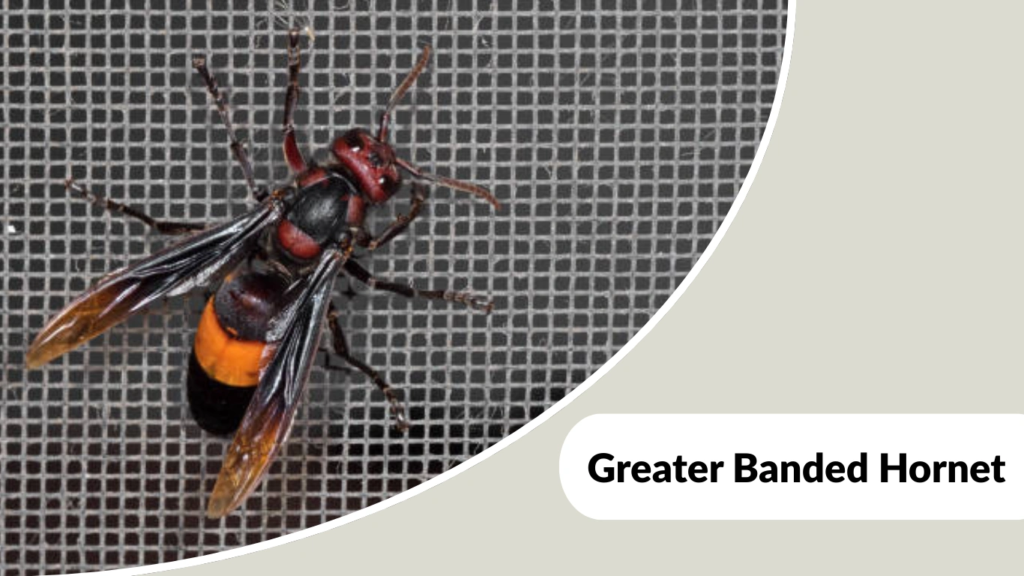
The greater banded hornet is a bold and aggressive hornet species widely distributed across South and Southeast Asia. It is easily recognized by its striking color pattern and is a common predator of other insects.
Identification
- Large body size
- Dark brown to black thorax
- Broad orange or yellow band on the abdomen
- Dark head with contrasting facial markings
- Strong, well-developed mandibles
Habitat
Greater banded hornets are found in forests, plantations, agricultural areas, and near human settlements. They usually nest underground, in wall cavities, or inside hollow logs, preferring sheltered and shaded locations.
Behaviors
This species is highly defensive around its nest and can be aggressive when disturbed. It is an active daytime hunter and often attacks honeybee colonies. Greater banded hornets are fast flyers and persistent predators.
Diet and Lifecycle
They feed on insects such as bees, wasps, grasshoppers, and caterpillars, while adults also consume nectar, tree sap, and fruit juices. The lifecycle follows egg, larva, pupa, and adult stages, with colonies peaking in late summer.
9. Lesser Banded Hornet (Vespa affinis)
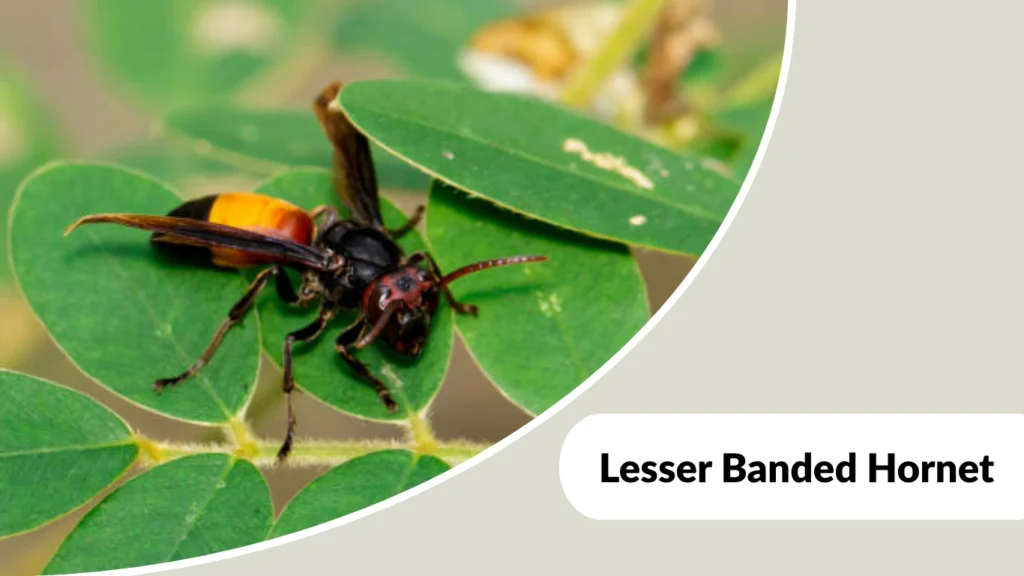
The lesser banded hornet is a common and aggressive hornet species found throughout South and Southeast Asia. It is known for its adaptability and frequent encounters with humans in both rural and urban environments.
Identification
- Medium to large body size
- Dark brown to black body
- Single narrow yellow or orange band on the abdomen
- Dark head with subtle facial markings
- Strong wings and mandibles
Habitat
This species inhabits forests, farmland, villages, and city outskirts. It typically builds large aerial nests in trees, shrubs, or on buildings, often in open and visible locations.
Behaviors
Lesser banded hornets are highly territorial and will aggressively defend their nests. They are active during the day and are strong predators of honeybees and other insects. Group attacks may occur if the nest is threatened.
Diet and Lifecycle
They feed mainly on insects such as bees, flies, and caterpillars, while adults also consume nectar and sugary substances. The lifecycle includes egg, larva, pupa, and adult stages, with colonies growing rapidly during warm seasons and declining after reproduction.
10. Tropical Hornet (Vespa tropica var.)
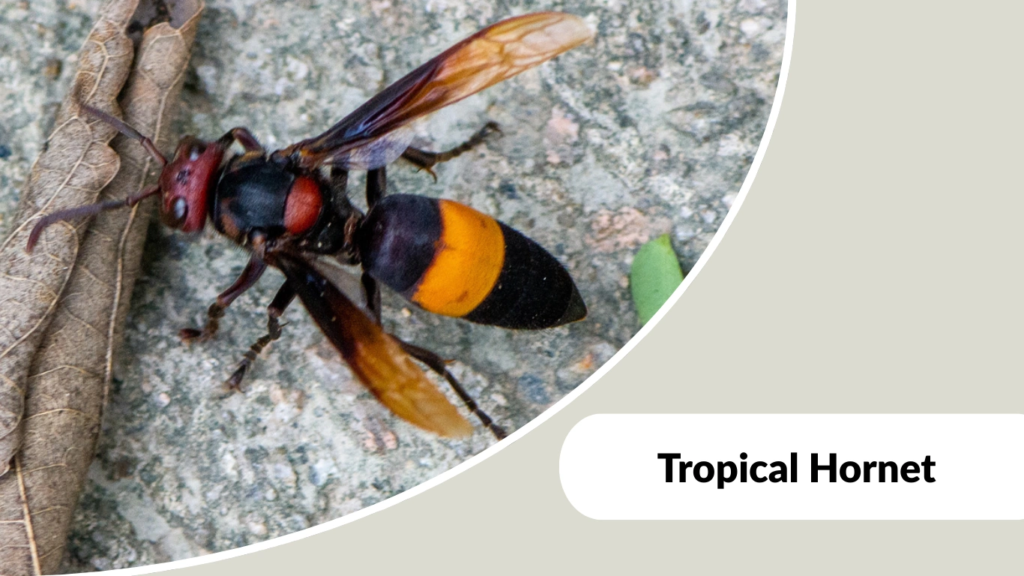
The tropical hornet is a large and aggressive hornet commonly found in warm, humid regions of South and Southeast Asia. It is closely associated with tropical forests and agricultural landscapes and is a frequent predator of other insects.
Identification
- Large, robust body
- Dark brown to black thorax
- Bright yellow or orange abdominal band
- Dark head with strong mandibles
- Long, powerful wings
Habitat
Tropical hornets inhabit rainforests, plantations, farmlands, and village edges. They usually nest underground, in tree hollows, or inside wall cavities, preferring shaded areas with stable temperatures.
Behaviors
This species is highly defensive near its nest and reacts aggressively to disturbance. It is an active daytime hunter and often targets honeybees. Tropical hornets are strong fliers and patrol wide foraging areas.
Diet and Lifecycle
They feed mainly on insects such as bees, wasps, grasshoppers, and caterpillars. Adults also consume nectar, tree sap, and fruit sugars. Their lifecycle follows egg, larva, pupa, and adult stages, with colonies peaking during the warm season.
11. Malayan Hornet (Vespa bellicosa)
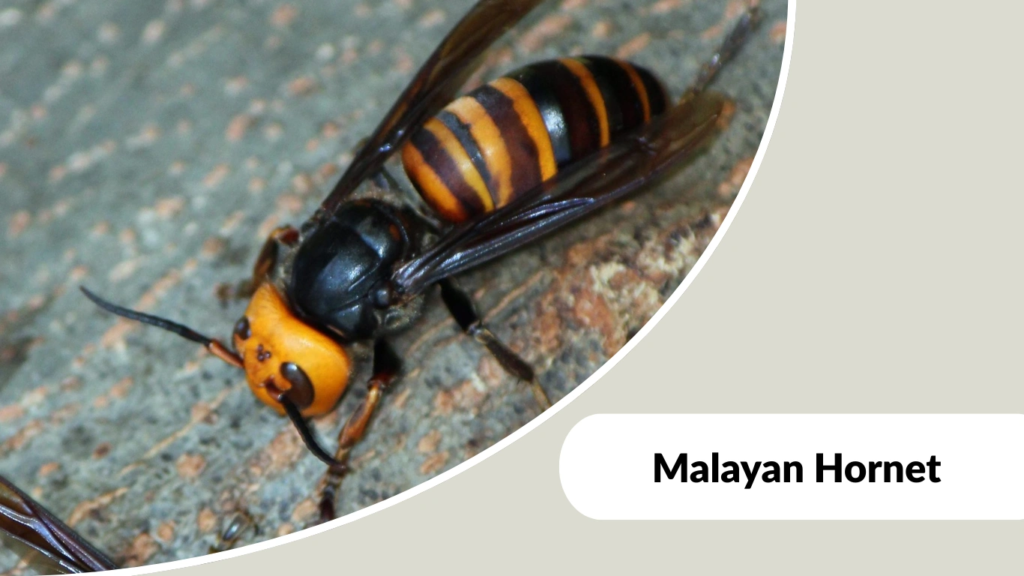
The Malayan hornet is a large and powerful hornet species native to Southeast Asia. It is known for its strong flight, aggressive nest defense, and role as an apex insect predator in tropical ecosystems.
Identification
- Large body size
- Dark brown to black thorax
- Yellow and black banded abdomen
- Broad head with dark facial markings
- Strong mandibles and long wings
Habitat
Malayan hornets are commonly found in tropical forests, plantations, agricultural areas, and rural settlements. They usually build nests underground, in tree roots, or inside hollow logs, favoring shaded and undisturbed locations.
Behaviors
This species is highly defensive and may attack in groups if the nest is threatened. It is an active daytime hunter and often preys on honeybees and other large insects. Malayan hornets are strong, fast fliers and cover large territories while foraging.
Diet and Lifecycle
They feed primarily on insects such as bees, wasps, caterpillars, and beetles, while adults also consume nectar, tree sap, and fruit juices. The lifecycle includes egg, larva, pupa, and adult stages, with colonies developing rapidly in warm, humid conditions.
12. Indian Hornet (Vespa affinis indica)
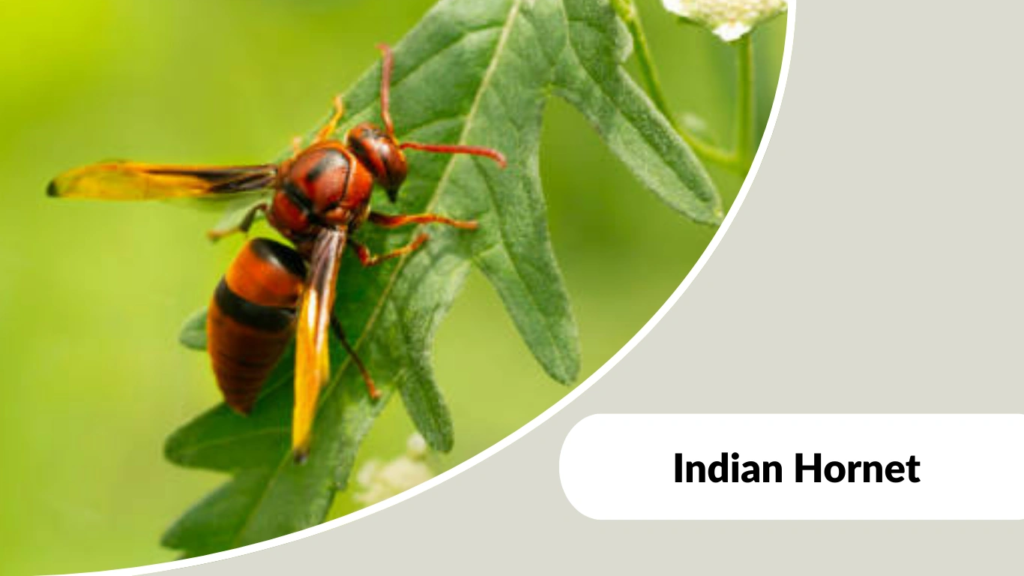
The Indian hornet is a large and aggressive hornet subspecies widely found across the Indian subcontinent. It is commonly seen near human habitation and is an important predator of agricultural pest insects.
Identification
- Large, robust body size
- Dark brown to black thorax
- Yellow to orange band on the abdomen
- Broad head with dark facial markings
- Strong mandibles and powerful wings
Habitat
Indian hornets inhabit forests, farmlands, villages, and urban outskirts. They usually build large aerial nests in trees, shrubs, or on buildings, often in open and easily visible locations.
Behaviors
This hornet is highly territorial and aggressively defends its nest. It is active during daylight hours and frequently preys on honeybees and other insects. Group attacks can occur if the nest is disturbed.
Diet and Lifecycle
Indian hornets feed on insects such as bees, flies, caterpillars, and grasshoppers, while adults also consume nectar, fruit juices, and sugary substances. Their lifecycle includes egg, larva, pupa, and adult stages, with colonies growing rapidly in warm seasons.
13. Sumatran Hornet (Vespa simillima xanthoptera)
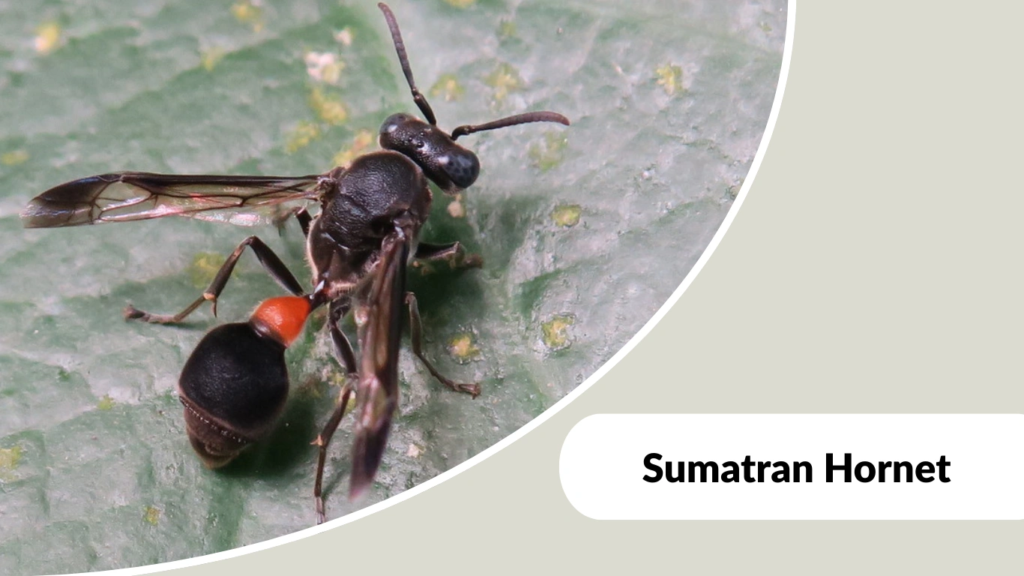
The Sumatran hornet is a tropical hornet species native to Indonesia, especially the island of Sumatra. It is an active predator and plays a role in controlling insect populations in dense forest ecosystems.
Identification
- Medium to large body size
- Yellowish head with dark markings
- Dark brown to black thorax
- Yellow abdomen with black bands
- Strong wings and sharp mandibles
Habitat
Sumatran hornets inhabit tropical rainforests, forest edges, plantations, and rural areas. They usually nest in tree cavities, underground burrows, or sheltered wall spaces, preferring warm and humid environments.
Behaviors
This species is alert and defensive near its nest but avoids unnecessary conflict away from it. It is a strong daytime hunter and often preys on honeybees and other insects. Sumatran hornets are fast and agile fliers.
Diet and Lifecycle
They feed mainly on insects such as bees, wasps, caterpillars, and beetles. Adults also consume nectar, fruit juices, and tree sap. The lifecycle follows egg, larva, pupa, and adult stages, with colonies peaking during the rainy season.
14. Philippine Hornet (Vespa philippinensis)
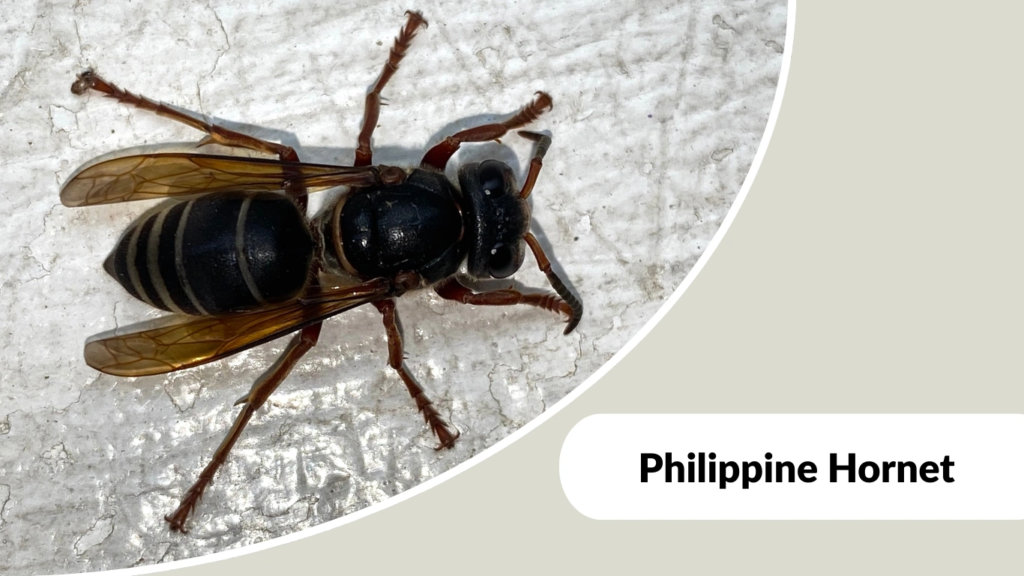
The Philippine hornet is a large hornet species native to the Philippines and nearby islands. It is an efficient predator and an important part of local ecosystems, especially in forested and agricultural areas.
Identification
- Large body size
- Dark brown to black thorax
- Yellow and black banded abdomen
- Broad head with dark facial markings
- Strong mandibles and long wings
Habitat
Philippine hornets are found in tropical forests, plantations, farmlands, and rural settlements. They usually nest underground, in hollow trees, or inside wall cavities, preferring shaded and protected locations.
Behaviors
This species is highly defensive around its nest and may attack in groups if disturbed. It is an active daytime hunter and frequently preys on honeybees and other large insects. Philippine hornets are strong fliers with wide foraging ranges.
Diet and Lifecycle
They feed mainly on insects such as bees, wasps, caterpillars, and beetles, while adults also consume nectar, tree sap, and fruit juices. The lifecycle includes egg, larva, pupa, and adult stages, with colonies developing rapidly in warm tropical conditions.
15. Luzon Hornet (Vespa luctuosa)
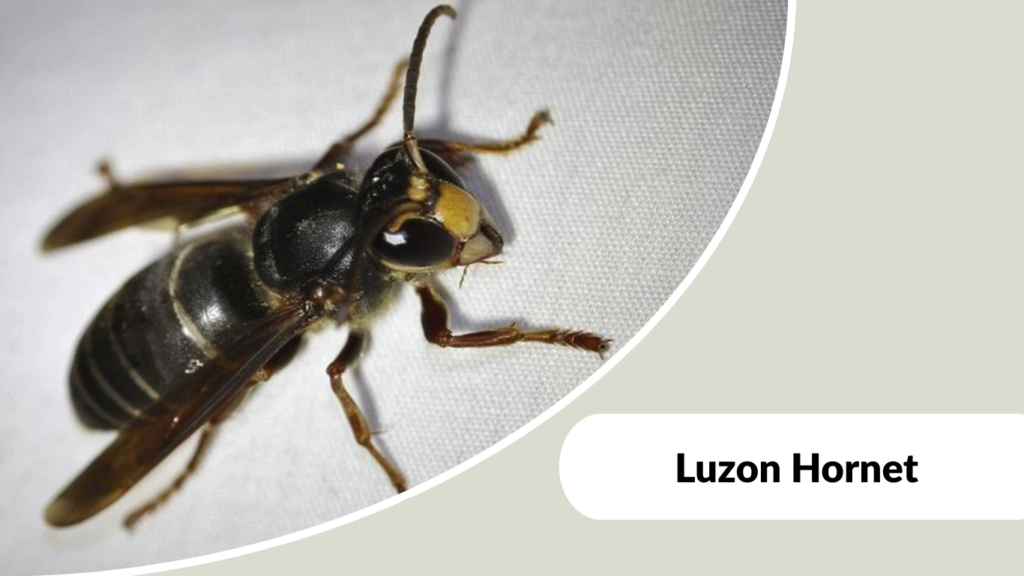
The Luzon hornet is a striking hornet species native to the Philippines, especially the island of Luzon. It is known for its bold coloration and strong predatory behavior in forest and agricultural ecosystems.
Identification
- Medium to large body size
- Distinct black and white abdominal bands
- Dark thorax with contrasting markings
- Broad head with pale facial patterns
- Strong mandibles and long wings
Habitat
Luzon hornets are commonly found in forests, forest edges, farmlands, and rural areas. They usually build aerial nests in trees or shrubs, often at moderate heights and in well-ventilated locations.
Behaviors
This species is alert and defensive near its nest but less aggressive when foraging. It is an active daytime hunter and preys on a variety of insects, including bees and wasps. Luzon hornets are fast fliers and patrol large areas while searching for food.
Diet and Lifecycle
They feed mainly on insects such as honeybees, flies, caterpillars, and beetles. Adults also consume nectar, fruit juices, and tree sap. Their lifecycle follows the typical hornet stages of egg, larva, pupa, and adult, with colonies growing through the warm season and producing new queens toward the end of the cycle.
16. Sulawesi Hornet (Vespa celebensis)
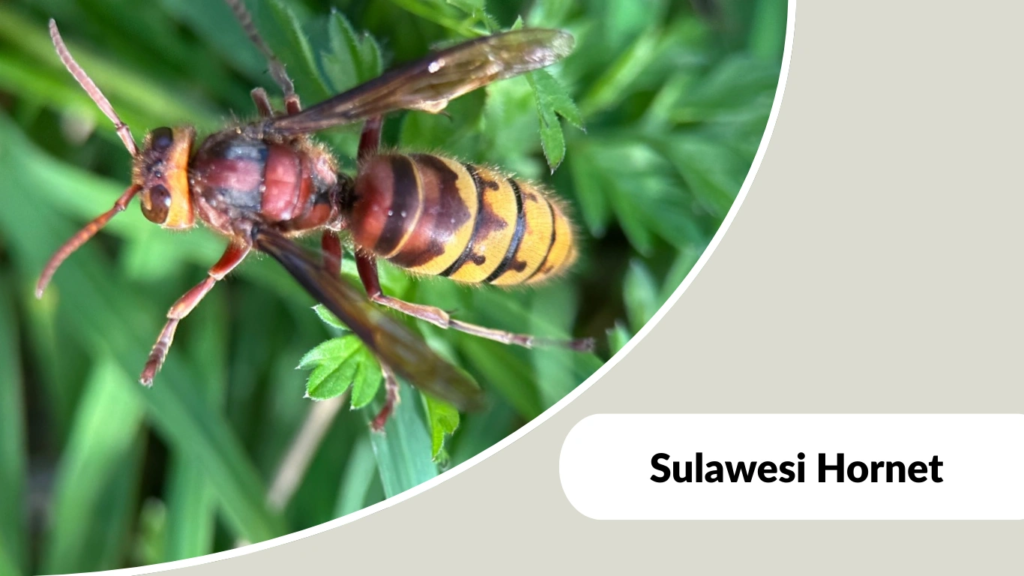
The Sulawesi hornet is a regional hornet species native to the Indonesian island of Sulawesi. It is an active predator and an important part of local tropical ecosystems, especially in forested and agricultural areas.
Identification
- Medium to large body size
- Dark brown to black thorax
- Yellow and black banded abdomen
- Broad head with dark facial markings
- Strong mandibles and well-developed wings
Habitat
Sulawesi hornets inhabit tropical rainforests, forest edges, plantations, and rural landscapes. They usually nest in tree cavities, underground burrows, or wall spaces, preferring warm and humid environments.
Behaviors
This species is defensive near its nest but generally avoids human contact while foraging. It is an efficient daytime hunter and preys on a wide range of insects. Sulawesi hornets are strong fliers and can travel long distances in search of food.
Diet and Lifecycle
They feed mainly on insects such as bees, wasps, flies, and caterpillars. Adults also consume nectar, fruit juices, and tree sap. The lifecycle includes egg, larva, pupa, and adult stages, with colonies developing rapidly during favorable tropical conditions.
17. Javan Hornet (Vespa velutina javana)
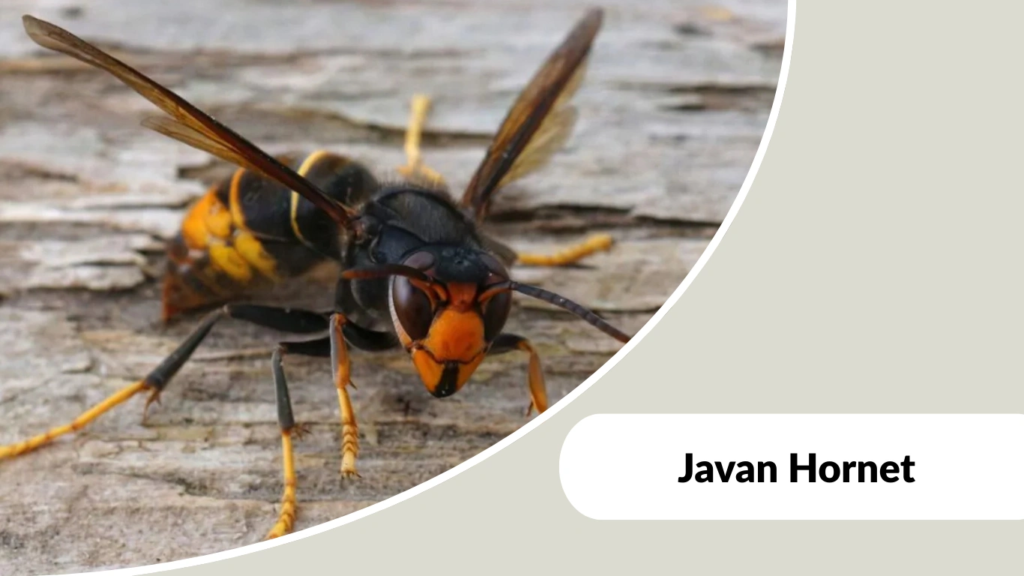
The Javan hornet is a subspecies of the yellow-legged hornet native to Java and nearby regions of Indonesia. It is a strong predator and has adapted well to both forested areas and human-modified environments.
Identification
- Medium to large body size
- Dark brown to black thorax
- Yellow-tipped abdomen segments
- Distinct yellow legs
- Broad head with dark facial markings
Habitat
Javan hornets are found in tropical forests, plantations, farmlands, and suburban areas. They typically build aerial nests in trees, shrubs, or on buildings, often at moderate heights with good shelter.
Behaviors
This hornet is highly active and alert, especially near its nest. It aggressively hunts honeybees and other insects and will defend its colony if threatened. Javan hornets are fast, agile fliers and forage over wide areas.
Diet and Lifecycle
They primarily feed on insects such as honeybees, flies, and caterpillars, while adults also consume nectar and fruit sugars. The lifecycle follows the usual hornet stages of egg, larva, pupa, and adult, with colonies expanding quickly during warm seasons.
18. Northern Giant Hornet (Vespa mandarinia)
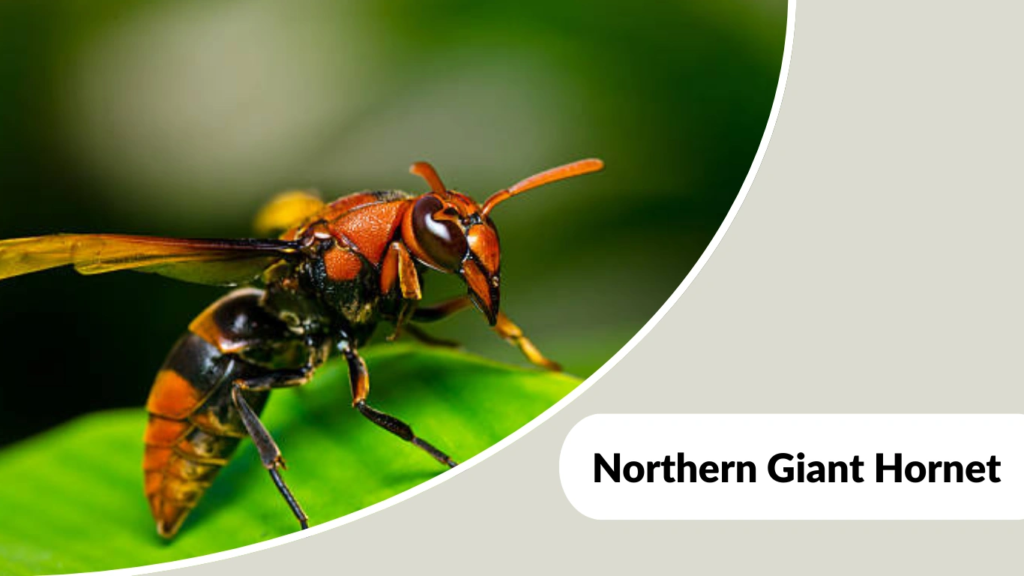
The Northern giant hornet is a regional form of the Asian giant hornet found in northern parts of East Asia. It is feared for its size, strength, and devastating attacks on honeybee colonies.
Identification
- Extremely large body size
- Bright orange head with large eyes
- Dark brown to black thorax
- Bold yellow and black striped abdomen
- Massive mandibles used for killing prey
Habitat
Northern giant hornets inhabit forests, mountains, and rural landscapes. They usually nest underground in soil cavities, tree roots, or abandoned animal burrows, favoring cool and shaded environments.
Behaviors
This hornet is highly aggressive when defending its nest. It is famous for coordinated group attacks on honeybee hives, where a few individuals can destroy thousands of bees. Adults are powerful fliers and dominant predators.
Diet and Lifecycle
They feed mainly on large insects, especially honeybees, wasps, and beetles, while adults also consume tree sap and fruit sugars. The lifecycle includes egg, larva, pupa, and adult stages, with colonies peaking in late summer and dying off in autumn except for new queens.
19. Southern Giant Hornet (Vespa soror)
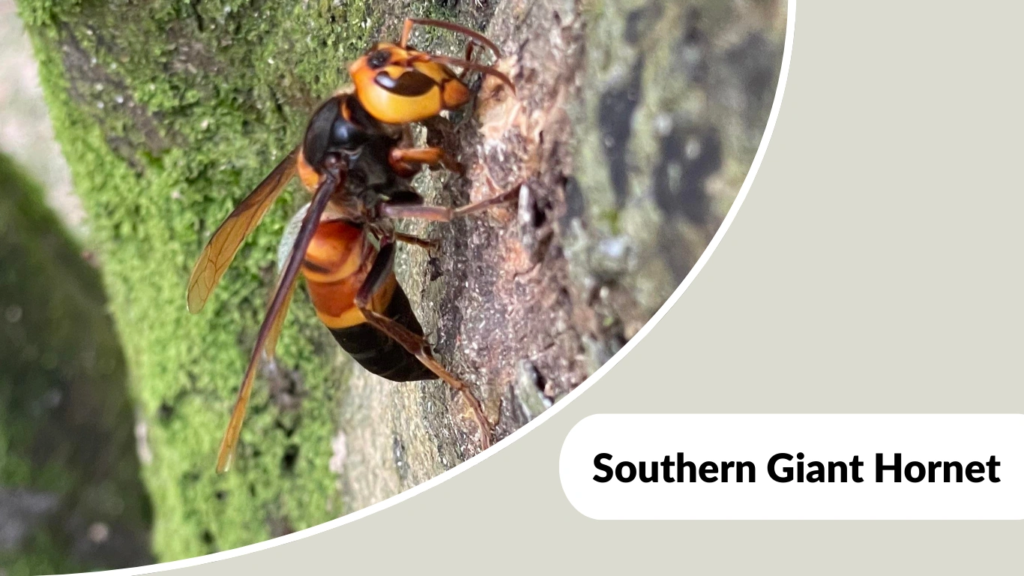
The Southern giant hornet is a close relative of the Asian giant hornet and is found mainly in Southeast Asia. It is a powerful predator known for its coordinated attacks on honeybee colonies.
Identification
- Very large body size
- Orange to yellow head with prominent eyes
- Dark brown to black thorax
- Yellow and black striped abdomen
- Large, strong mandibles
Habitat
Southern giant hornets inhabit tropical forests, mountainous regions, and rural landscapes. They typically nest underground in soil cavities, hollow roots, or abandoned animal burrows, preferring shaded and undisturbed areas.
Behaviors
This species is highly aggressive when its nest is threatened and is known for group hunting behavior. It frequently targets honeybee colonies and uses pheromones to recruit nestmates during attacks. Southern giant hornets are strong, fast fliers.
Diet and Lifecycle
They feed primarily on large insects such as honeybees, wasps, and beetles, while adults also consume tree sap and fruit juices. The lifecycle follows egg, larva, pupa, and adult stages, with colonies growing rapidly in warm seasons and producing new queens before winter.
20. Sunda Hornet (Vespa analis)
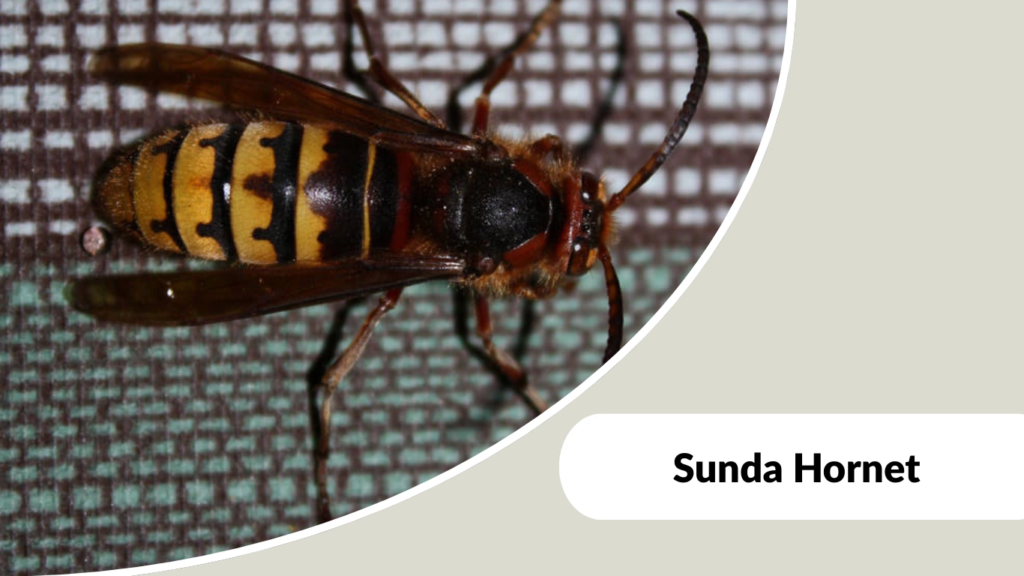
The Sunda hornet is a large hornet species native to Southeast Asia, particularly the Sunda Islands region. It is an active predator and an important component of tropical forest and agricultural ecosystems.
Identification
- Medium to large body size
- Dark brown to black thorax
- Yellow and black banded abdomen
- Broad head with yellow facial markings
- Strong mandibles and well-developed wings
Habitat
Sunda hornets are commonly found in tropical forests, plantations, farmlands, and rural areas. They usually nest in hollow trees, underground cavities, or wall spaces, preferring warm and humid environments with abundant prey.
Behaviors
This species is defensive around its nest but generally avoids humans while foraging. It is an efficient daytime hunter and often preys on bees and other large insects. Sunda hornets are strong fliers and can cover wide areas in search of food.
Diet and Lifecycle
They feed mainly on insects such as honeybees, flies, caterpillars, and beetles, while adults also consume nectar, fruit juices, and tree sap. Their lifecycle includes egg, larva, pupa, and adult stages, with colonies developing rapidly during favorable tropical conditions.
FAQs
Are hornets more dangerous than wasps?
Hornets are generally larger than most wasps and can deliver more venom with each sting. While they are not usually aggressive without reason, hornets can be more dangerous if their nest is disturbed, especially because they may attack in groups.
What is the largest hornet species in the world?
The Asian giant hornet (Vespa mandarinia) is the largest hornet species. It can grow up to 5 centimeters long and is known for its powerful mandibles and potent sting.
Do hornets attack honeybees?
Yes, many hornet species prey on honeybees. Some, such as giant hornets, can destroy entire bee colonies through coordinated attacks, making them a serious threat to beekeeping.
Where do hornets usually build their nests?
Hornets build nests in a variety of locations, including underground burrows, hollow trees, wall cavities, and aerial nests in trees or on buildings, depending on the species.
What role do hornets play in the ecosystem?
Hornets are important predators that help control populations of other insects, including agricultural pests. Despite their fearsome reputation, they contribute to maintaining ecological balance.
